slider-img

slider-img

slider-img

When the Stars Were the Ultimate Guide

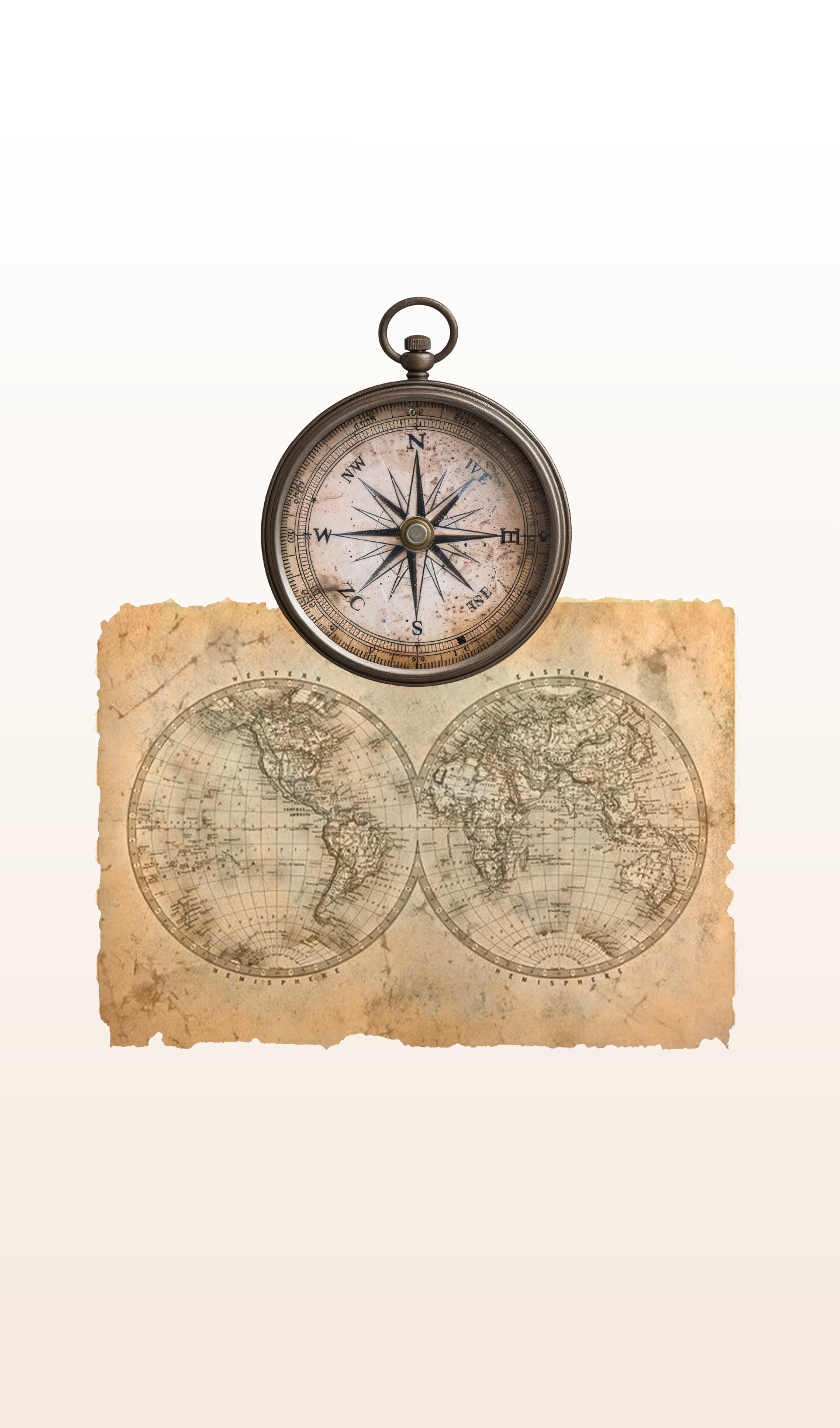
Imagine spending a calm day by the shore, sunglasses on, sunscreen applied, ready for the heat, only for strong winds to suddenly rise and rain to start falling. While this may be unexpected today, in the past, the people of the Arabian Peninsula didn’t need weather forecasts to predict the seasons. The stars were their eternal guide.

A Calendar Written in the Sky

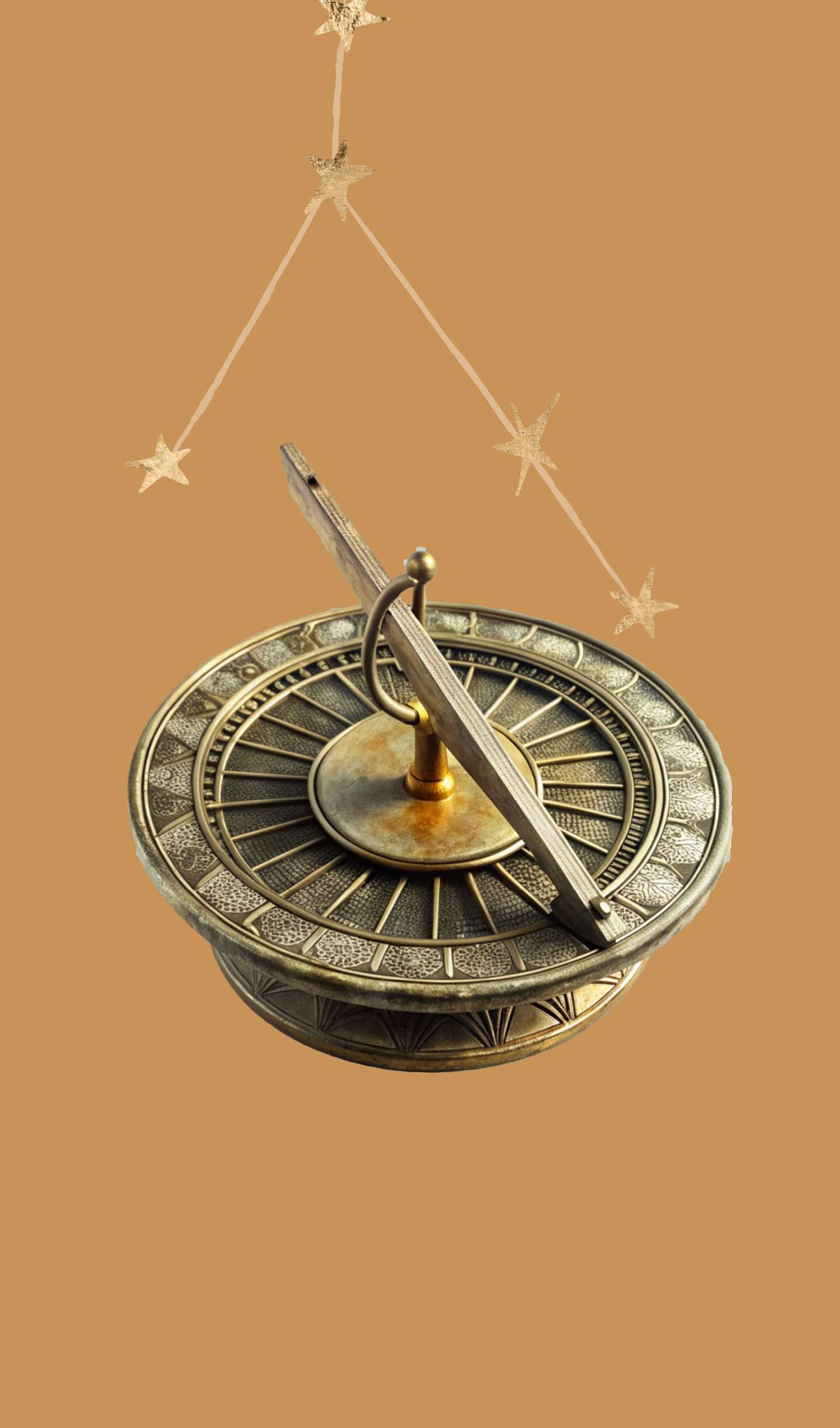
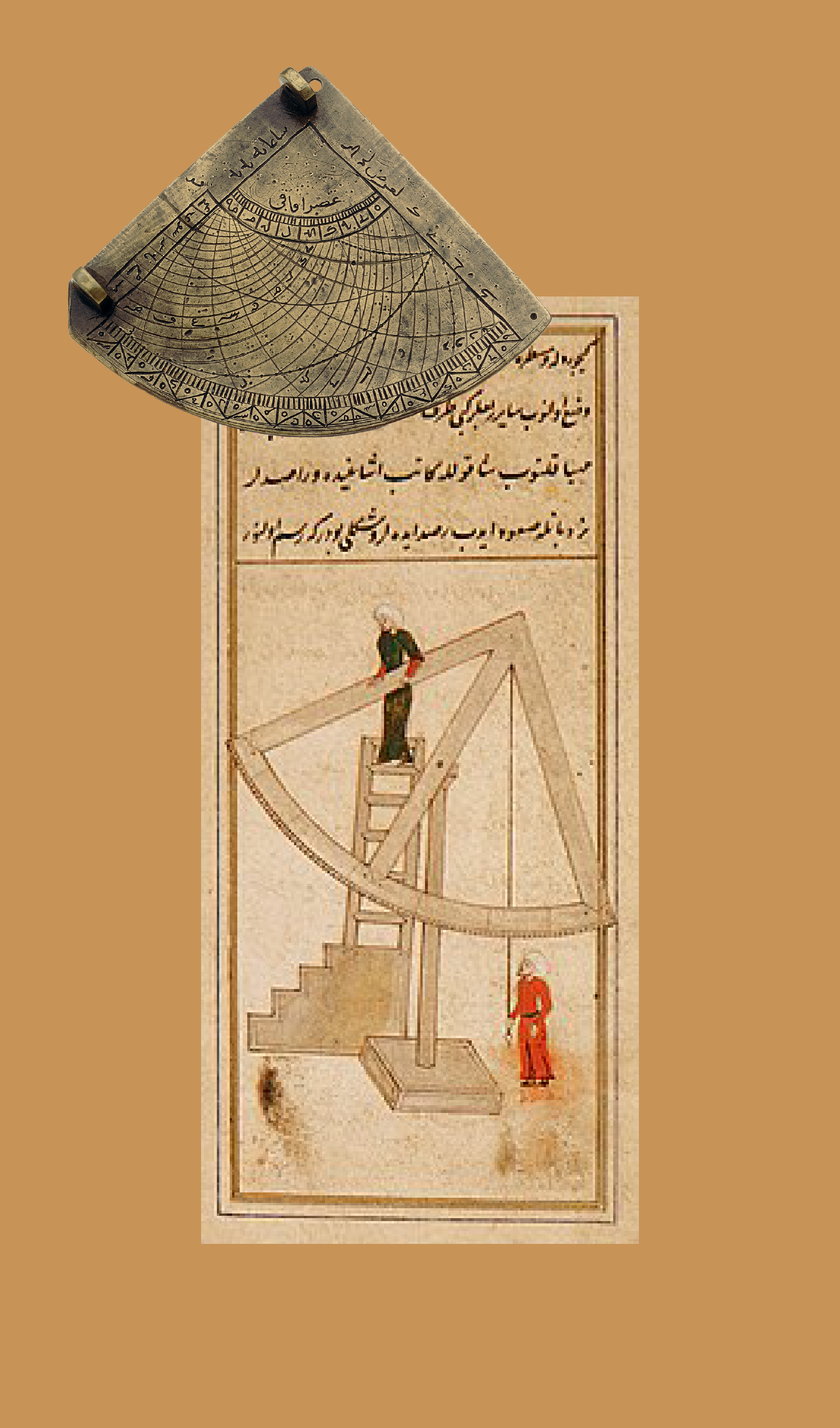
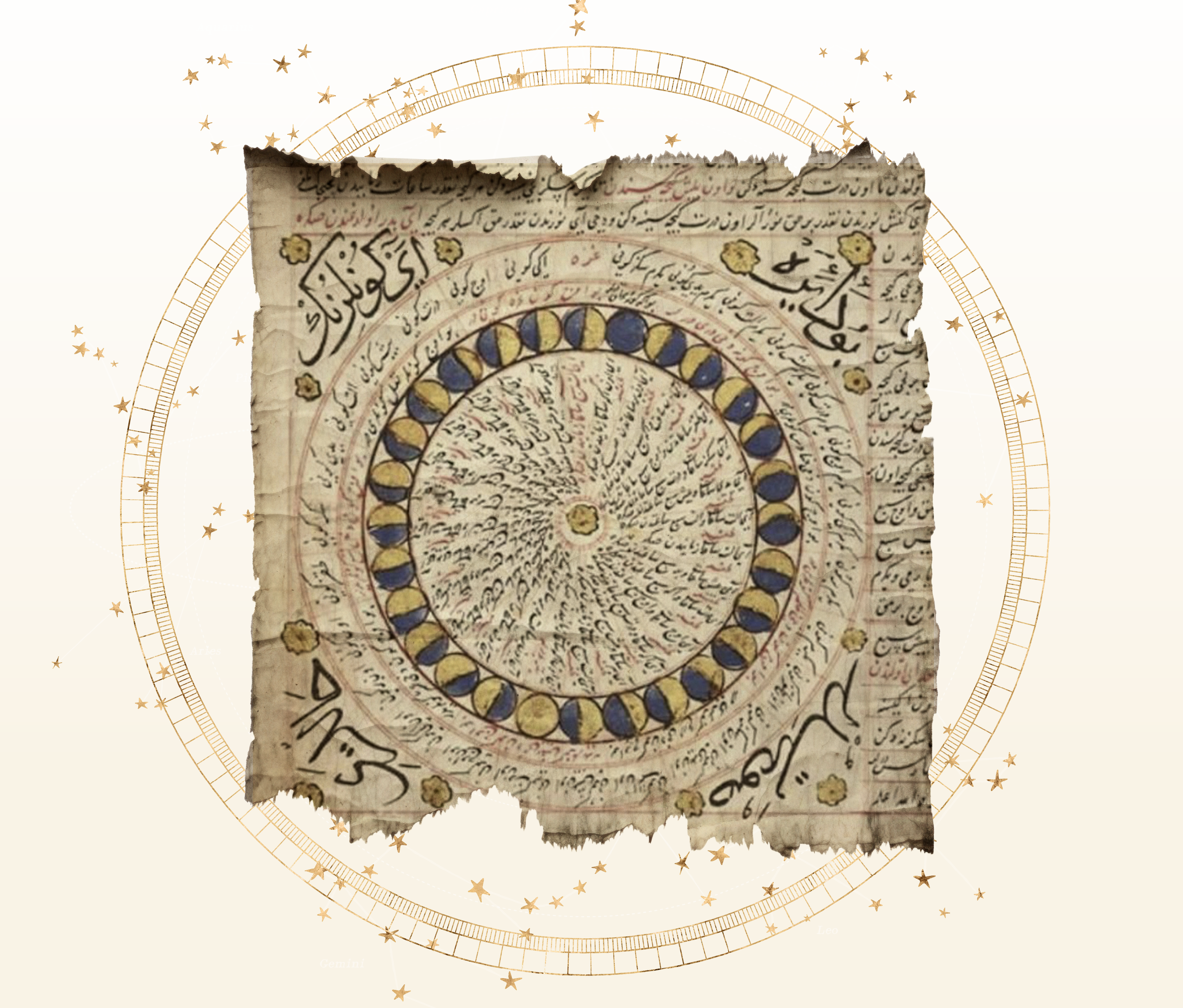
For generations, Abu Dhabi’s ancestors looked up to the stars to track seasonal changes and climate shifts. Using the Al Drour calendar, they divided the year into four seasons and 36 periods, each called a ‘Dur’ and lasting ten days. These divisions weren’t just a mathematical system; they served as a life guide, answering key questions like:

● When should farmers plant their crops to ensure food for their families?
● When should nomads embark on their journeys in search of grazing lands?
● When should fishermen set sail for a successful catch?

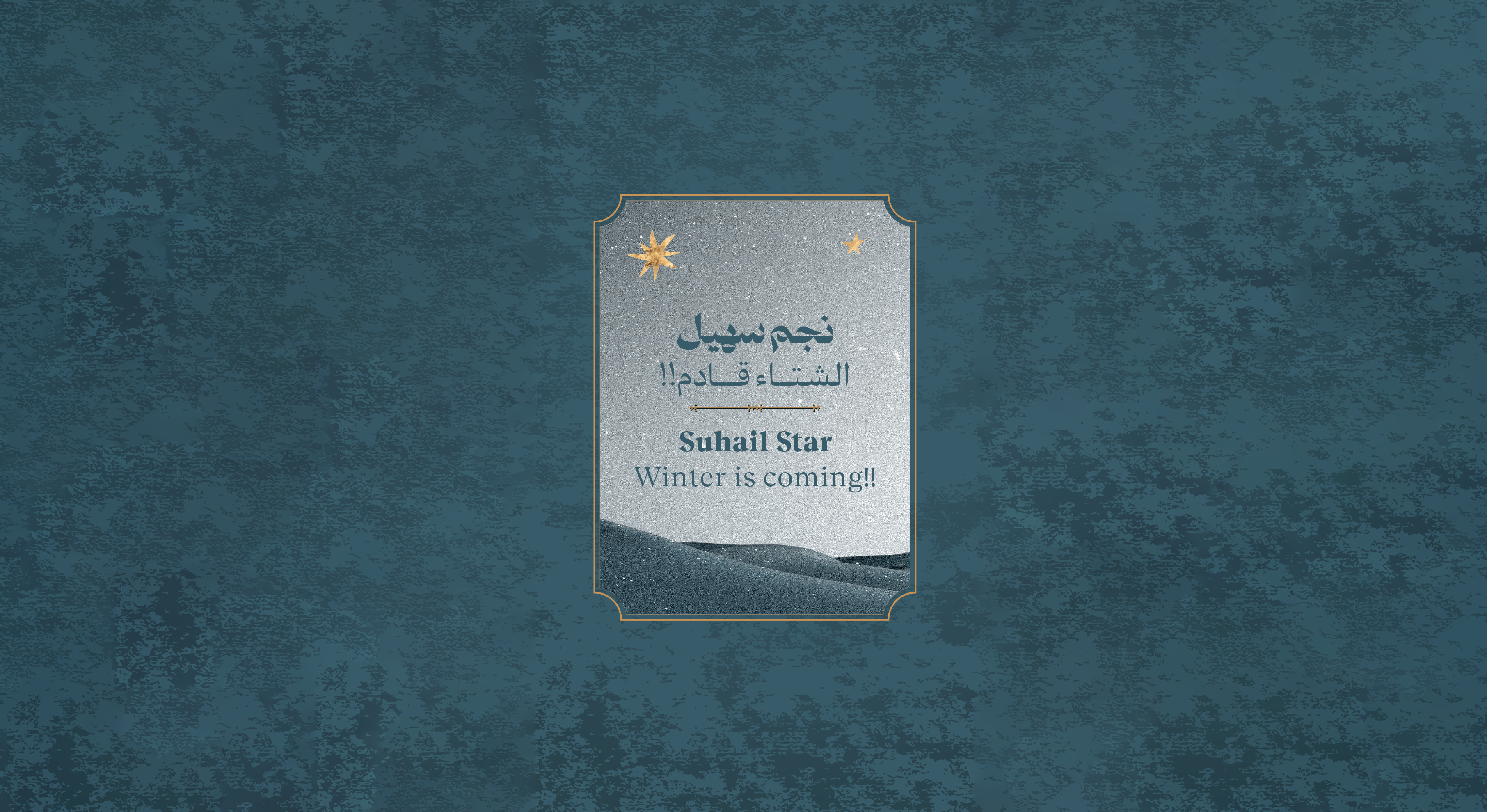
Amid all these astronomical calculations, one star stood above the rest, a celestial sign of relief after the heat of summer: Suhail.
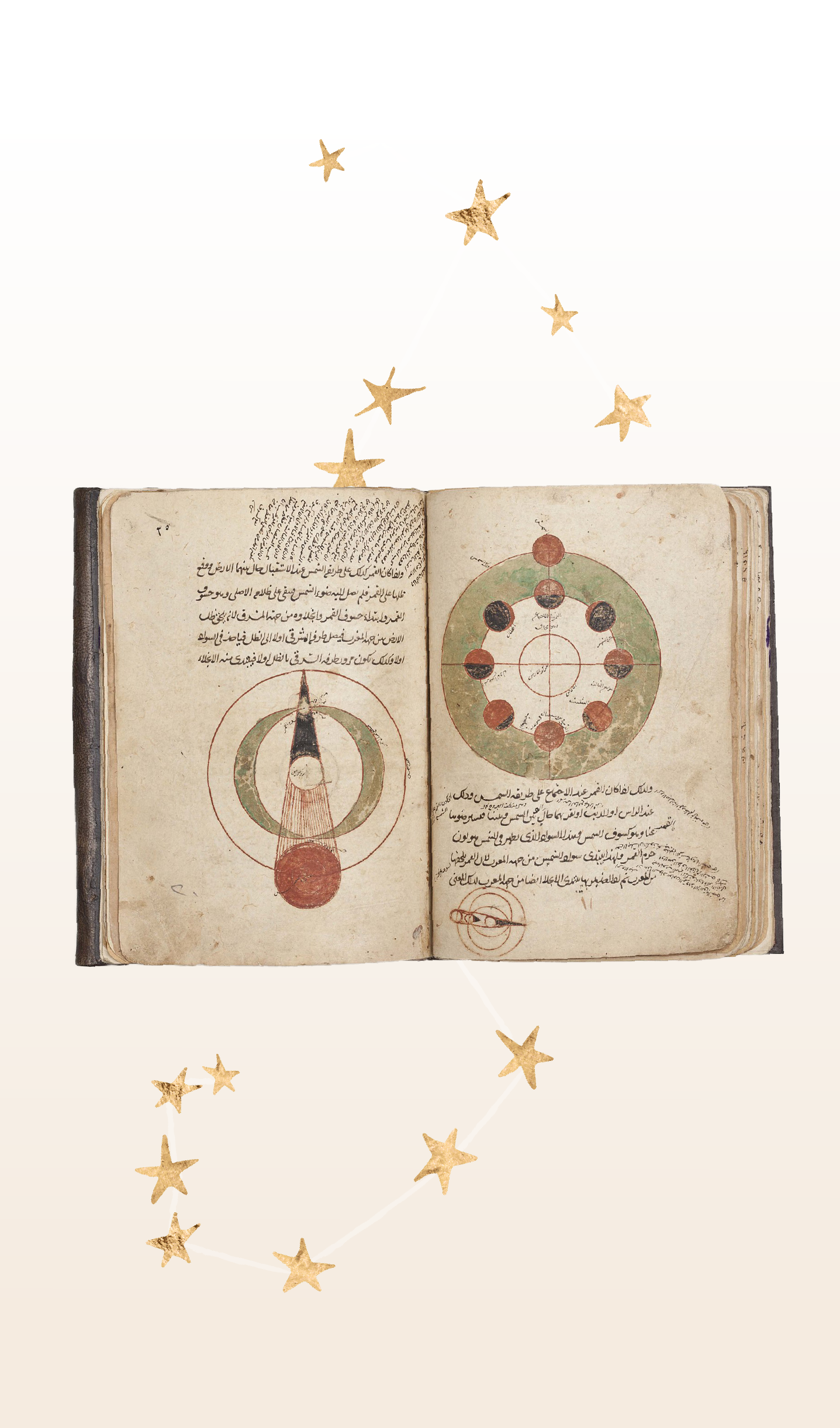
Suhail: The Star That Signals the End of the Scorching Heat

Every year, on August 24, the people of Abu Dhabi eagerly await the appearance of Suhail, a star that marks the gradual cooling of temperatures and the end of extreme summer heat. Within just ten days of its rising, the air shifts, and the desert finally breathes after months of intense heat.

However, how did they recognize Suhail among the countless stars in the sky? The secret lies in its size and brightness. Suhail is 350,000 times bigger than the Sun and shines 11,000 times brighter, making it easy to spot in the southern sky.

tech-img


A Star with Many Names and Stories

Suhail was more than a celestial body in Arab culture—it carried multiple names, including "Najm Al-Yaman" (The Star of Yemen) and "Suhail Al-Yamani," as it is most visible from the southern hemisphere. Some say it was named "Suhail" because of the gentler weather that follows its arrival, a sentiment beautifully captured in Arabic poetry:

"If Suhail rises, the night turns pleasant,
 The afternoon heat fades,
 The weaned calf cries for its mother,
 And the grain measure is raised."

How Can You See Suhail Today?

If you’re a stargazing enthusiast, you can catch a clear view of Suhail from Sadeem Observatory in Abu Dhabi’s Al Wathba Desert, established in 2016. There, you can spot constellations, attend astronomy lectures, and use professional telescopes for a closer look at the wonders of the sky.

Have you ever spotted Suhail? What are your plans for the next time it rises?

Share This Post

More From Abu Dhabi